

Hey there! I'm a supplier of Anchor Drilling Machines, and today I'm gonna break down how these bad boys work. If you've ever wondered about the ins and outs of these powerful machines, you're in the right place.
The Basics of an Anchor Drilling Machine
First things first, what's an anchor drilling machine for? Well, it's mainly used to drill holes in various surfaces, like rock, soil, or concrete, for installing anchors. These anchors are super important in construction, mining, and even some geotechnical projects. They provide stability and support, holding structures in place and preventing them from shifting or collapsing.
Components of an Anchor Drilling Machine
Let's start by looking at the key parts of an anchor drilling machine. There are a few main components that work together to get the job done.
- Power Source: This is what gives the machine the energy it needs to operate. Most anchor drilling machines use a diesel engine or an electric motor. Diesel engines are great for outdoor jobs where there's no access to electricity, while electric motors are more suitable for indoor or noise - sensitive areas.
- Drill Rig: The drill rig is the main body of the machine. It holds all the other components and provides the structure for the drilling operation. It's usually mounted on a mobile platform, like a truck or a crawler, so it can be easily moved around the job site.
- Drill Bit: This is the part that actually cuts into the material. Drill bits come in different shapes and sizes, depending on the type of material you're drilling into. For example, a diamond - tipped drill bit is great for drilling through hard rock, while a carbide - tipped bit is better for softer materials.
- Feed System: The feed system is responsible for pushing the drill bit into the material at a controlled rate. It ensures that the drill bit doesn't get stuck and that the drilling process is smooth and efficient.
- Rotary System: The rotary system makes the drill bit spin. It provides the torque needed to cut through the material. The speed of rotation can usually be adjusted depending on the type of material and the drilling conditions.
How the Drilling Process Works
Now that we know the main components, let's see how they all work together during the drilling process.
Setup
Before starting the drilling, the operator needs to set up the machine properly. This includes positioning the drill rig at the right location, leveling it, and connecting all the necessary hoses and cables. The operator also needs to select the appropriate drill bit for the material they're going to drill into.
Starting the Machine
Once the setup is complete, the operator starts the power source. If it's a diesel engine, they'll need to warm it up for a few minutes before engaging the drill. For an electric motor, it's just a matter of flipping a switch.
Drilling
The operator activates the rotary system to start spinning the drill bit. At the same time, the feed system is engaged to push the drill bit into the material. As the drill bit spins and moves forward, it cuts into the material, creating a hole.
During the drilling process, the operator needs to monitor the machine closely. They need to adjust the speed of rotation and the feed rate depending on how easily the drill bit is cutting through the material. If the drill bit encounters a hard rock or an obstruction, they may need to slow down the feed rate or increase the torque.
Flushing
To keep the drill bit cool and remove the cuttings from the hole, a flushing system is used. This usually involves pumping water or a drilling fluid down the drill pipe and out through the drill bit. The fluid carries the cuttings back up to the surface, where they can be removed.
Completion
Once the hole has been drilled to the desired depth, the operator stops the rotary and feed systems. The drill bit is then retracted from the hole, and the machine is ready to move on to the next drilling location.
Applications of Anchor Drilling Machines
Anchor drilling machines have a wide range of applications.

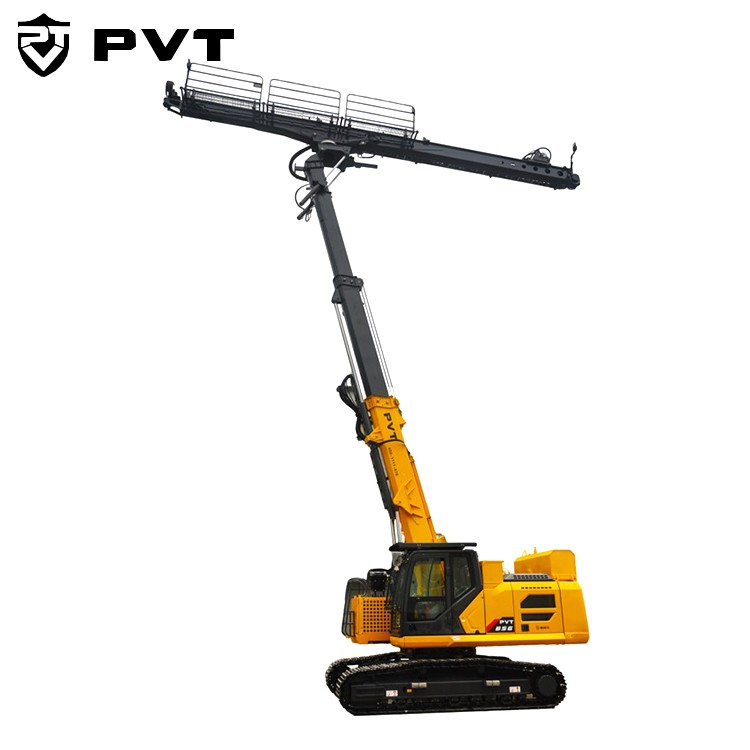
- Construction: In construction, they're used to install anchors for retaining walls, foundations, and other structural elements. For example, when building a high - rise building, anchor drilling machines are used to drill holes for the foundation anchors, which help to keep the building stable.
- Mining: In the mining industry, anchor drilling machines are used for exploration and production. They can be used to drill holes for blast holes, where explosives are placed to break up the rock. They're also used for installing rock bolts to support the mine walls and prevent collapses. Check out our Gold Mining Equipment for more details on mining - specific applications.
- Geotechnical Engineering: Geotechnical engineers use anchor drilling machines to collect soil and rock samples for testing. They can also use them to install instruments for monitoring ground movement and stability.
Advantages of Our Anchor Drilling Machines
As a supplier, I'm proud to say that our anchor drilling machines have several advantages.
- High Efficiency: Our machines are designed to drill holes quickly and accurately. They use advanced technology and high - quality components to ensure maximum productivity.
- Versatility: Our machines can be used for a wide range of applications, from small - scale construction projects to large - scale mining operations. We offer different models with various features to meet the needs of different customers.
- Reliability: We use only the best materials and manufacturing processes to build our machines. This ensures that they're durable and can withstand the tough conditions of the job site. You can check out our Rock Anchor Drilling Machine for a more reliable option.
- Ease of Use: Our machines are designed with the operator in mind. They have user - friendly controls and are easy to maintain. Even operators with limited experience can quickly learn how to use our machines.
Maintenance and Safety
Proper maintenance is crucial for the longevity and performance of an anchor drilling machine. Regular maintenance includes checking the oil levels, inspecting the drill bits for wear and tear, and lubricating the moving parts. It's also important to follow the manufacturer's guidelines for maintenance intervals.
Safety is also a top priority. Operators should always wear appropriate safety gear, like hard hats, safety glasses, and ear protection. They should also be trained on how to operate the machine safely and how to handle any potential hazards.
Conclusion
So, there you have it - a detailed look at how an anchor drilling machine works. These machines are incredibly useful in a variety of industries, and they play a vital role in ensuring the stability and safety of many structures.
If you're in the market for an anchor drilling machine, whether it's for a construction project, a mining operation, or a geotechnical study, I'd love to talk to you. Our machines are of the highest quality, and we offer great after - sales support. You can also check out our Drilling Machine Bore Pile for more options.
Don't hesitate to reach out if you have any questions or if you're interested in purchasing an anchor drilling machine. We're here to help you find the perfect solution for your needs.
References
- Construction Equipment Handbook
- Mining Engineering Textbooks
- Geotechnical Engineering Manuals


