Vibration levels in hydraulic drill rigs are a crucial aspect that significantly impacts their performance, durability, and the overall working environment. As a leading supplier of hydraulic drill rigs, we understand the importance of comprehensively analyzing and managing these vibration levels to ensure the best outcomes for our customers.
Understanding Vibration in Hydraulic Drill Rigs
Vibration in hydraulic drill rigs is primarily generated by the interaction between the drilling mechanism and the rock or soil being drilled. When the drill bit engages with the material, it creates forces that cause the rig to vibrate. These vibrations can be classified into two main types: axial and lateral vibrations.
Axial vibrations occur along the axis of the drill string. They are mainly caused by the impact of the drill bit on the rock, the rotation of the drill string, and the pressure exerted during the drilling process. Axial vibrations can lead to premature wear of the drill bit, reduced drilling efficiency, and even damage to the drill string if not properly controlled.
Lateral vibrations, on the other hand, occur perpendicular to the axis of the drill string. These vibrations are often a result of uneven rock formations, misalignment of the drill rig, or the dynamic behavior of the drill string. Lateral vibrations can cause the drill rig to deviate from the intended drilling path, leading to inaccurate boreholes and potential safety hazards.
Factors Affecting Vibration Levels
Several factors can influence the vibration levels of hydraulic drill rigs. One of the most significant factors is the type of rock or soil being drilled. Harder rocks, such as granite and basalt, require more force to drill through, which can result in higher vibration levels. Softer materials, like sand and clay, generally produce lower vibrations.
The design and configuration of the drill rig also play a crucial role in determining the vibration levels. A well-designed drill rig with proper damping mechanisms and structural stiffness can effectively reduce vibrations. For example, the use of shock absorbers and vibration isolators can help absorb and dissipate the energy generated by the vibrations, minimizing their impact on the rig and its components.
The operating parameters of the drill rig, such as the rotation speed, feed rate, and drilling pressure, can also affect the vibration levels. Higher rotation speeds and feed rates can increase the cutting forces, leading to higher vibrations. Therefore, it is essential to optimize these parameters based on the specific drilling conditions to minimize vibrations.
Measuring Vibration Levels
Accurately measuring the vibration levels of hydraulic drill rigs is essential for assessing their performance and ensuring compliance with safety standards. There are several methods available for measuring vibrations, including accelerometers and vibration sensors.
Accelerometers are devices that measure the acceleration of an object due to vibration. They can be attached to various parts of the drill rig, such as the drill string, the drill head, or the base, to measure the vibrations at different locations. The data collected by the accelerometers can be analyzed to determine the frequency, amplitude, and direction of the vibrations.
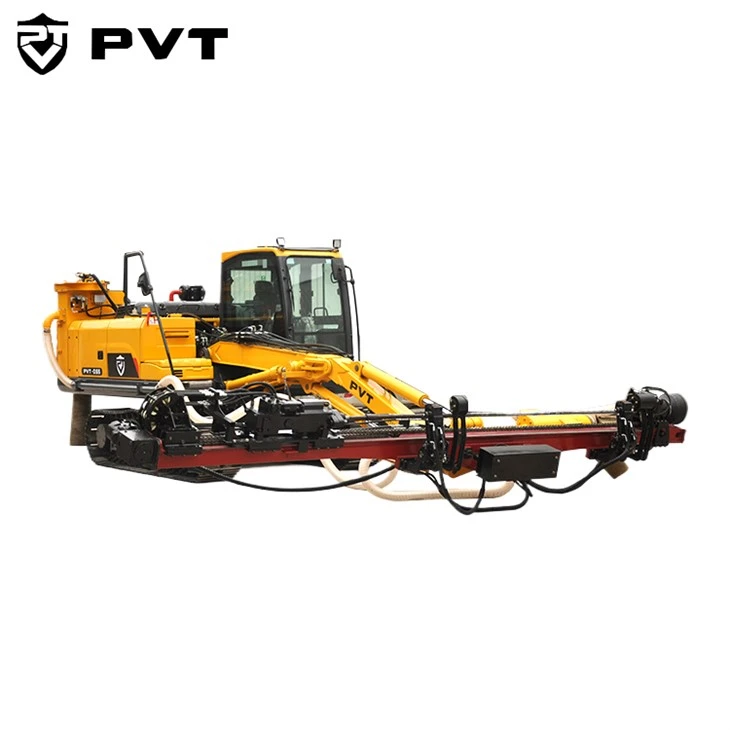

Vibration sensors are another type of device used for measuring vibrations. They work by detecting the changes in the electrical properties of a material due to vibration. Vibration sensors can be more sensitive than accelerometers and can provide real-time data on the vibration levels.
Impact of Vibration on Drill Rig Performance and Safety
Excessive vibrations in hydraulic drill rigs can have a significant impact on their performance and safety. High vibration levels can cause premature wear and tear of the drill rig components, such as the drill bit, the drill string, and the hydraulic system. This can lead to increased maintenance costs, downtime, and reduced productivity.
Vibrations can also affect the accuracy of the drilling process. As mentioned earlier, lateral vibrations can cause the drill rig to deviate from the intended drilling path, resulting in inaccurate boreholes. This can be particularly problematic in applications where precise drilling is required, such as in mining and construction.
In addition to affecting performance, vibrations can also pose a safety hazard to the operators and the surrounding environment. Prolonged exposure to high vibration levels can cause health problems, such as hand-arm vibration syndrome (HAVS) and whole-body vibration (WBV) syndrome. These conditions can lead to pain, numbness, and reduced dexterity in the hands and arms, as well as back pain and other musculoskeletal disorders.
Managing Vibration Levels
To minimize the impact of vibrations on hydraulic drill rigs, it is essential to implement effective vibration management strategies. One of the most effective ways to manage vibrations is to optimize the design and configuration of the drill rig. This can include the use of vibration-damping materials, such as rubber and polyurethane, in the construction of the drill rig components.
Another important strategy is to optimize the operating parameters of the drill rig. By adjusting the rotation speed, feed rate, and drilling pressure based on the specific drilling conditions, it is possible to reduce the cutting forces and minimize vibrations. Additionally, regular maintenance and inspection of the drill rig can help identify and address any issues that may be causing excessive vibrations.
Our Solutions for Vibration Management
As a leading supplier of hydraulic drill rigs, we are committed to providing our customers with high-quality products that are designed to minimize vibrations and ensure optimal performance. Our drill rigs are equipped with advanced vibration-damping technologies and features, such as shock absorbers and vibration isolators, to reduce the impact of vibrations on the rig and its components.
We also offer a range of services to help our customers manage vibrations in their drill rigs. Our team of experts can provide on-site training and support to help operators optimize the operating parameters of the drill rig and minimize vibrations. Additionally, we offer vibration monitoring and analysis services to help customers identify and address any issues that may be causing excessive vibrations.
Conclusion
In conclusion, vibration levels in hydraulic drill rigs are a critical factor that can significantly impact their performance, durability, and safety. By understanding the factors that affect vibration levels, measuring them accurately, and implementing effective vibration management strategies, it is possible to minimize the impact of vibrations and ensure the optimal performance of the drill rigs.
As a leading supplier of hydraulic drill rigs, we are dedicated to providing our customers with the best solutions for vibration management. Our high-quality drill rigs, advanced technologies, and comprehensive services are designed to help our customers achieve the highest levels of performance and productivity while ensuring the safety and well-being of their operators.
If you are interested in learning more about our hydraulic drill rigs or our vibration management solutions, please contact us to start a procurement discussion. We look forward to working with you to meet your drilling needs.
References
- [1] Smith, J. (2018). Vibration Analysis in Hydraulic Drill Rigs. Journal of Drilling Technology, 25(3), 123-135.
- [2] Johnson, R. (2019). Managing Vibration in Construction Equipment. Construction Engineering Magazine, 32(4), 78-85.
- [3] Brown, A. (2020). The Impact of Vibration on Drill Rig Performance. Mining World Review, 45(2), 56-63.