

As a supplier of Surface Rock Drill Rigs, I am often asked about the commissioning process of these powerful machines. Commissioning is a crucial phase that ensures the drill rig is installed correctly, operates safely, and meets the performance requirements for its intended application. In this blog post, I will walk you through the typical commissioning process of surface rock drill rigs, providing insights into each step to help you understand what to expect when purchasing and setting up one of these essential pieces of equipment.
Pre - Commissioning Preparations
Before the actual commissioning begins, a series of preparatory steps are necessary. These steps set the foundation for a smooth and successful commissioning process.
Site Inspection
The first step is to conduct a thorough site inspection. This involves assessing the terrain where the drill rig will be operating. Factors such as the slope of the ground, the presence of obstacles, and the stability of the surface need to be evaluated. A stable and level surface is essential for the safe and efficient operation of the drill rig. Additionally, the site should have adequate access for the transportation and maneuvering of the drill rig and its associated equipment.
Equipment Delivery and Unloading
Once the site is deemed suitable, the surface rock drill rig is delivered. During unloading, it is crucial to handle the equipment with care to avoid any damage. The rig should be unloaded using appropriate lifting equipment and placed on a stable surface. All the components of the drill rig, including the drill mast, power unit, and control panel, should be inspected for any visible damage during the unloading process.
Assembly and Installation
The next step is the assembly and installation of the drill rig. This process typically involves mounting the drill mast on the base unit, connecting the hydraulic and electrical systems, and installing the drilling tools. It is important to follow the manufacturer's instructions carefully during assembly to ensure that all components are installed correctly. For example, the hydraulic hoses should be connected tightly to prevent any leaks, and the electrical connections should be secure to avoid short - circuits.
Mechanical System Check
After the assembly is complete, a comprehensive mechanical system check is carried out.
Structural Integrity
The structural integrity of the drill rig is inspected first. This includes checking the welds, bolts, and nuts for any signs of looseness or damage. Any loose bolts should be tightened, and damaged components should be replaced immediately. The drill mast, in particular, needs to be inspected for any signs of bending or deformation, as it is a critical component for the drilling operation.
Moving Parts
All moving parts of the drill rig, such as the drill feed system, rotary head, and swivel, are checked for smooth operation. The bearings should be lubricated according to the manufacturer's recommendations, and the belts and chains should be properly tensioned. Any abnormal noises or vibrations during the movement of these parts indicate potential problems that need to be addressed.
Hydraulic System Check
The hydraulic system is a vital part of the surface rock drill rig, as it powers many of the drilling functions.
Fluid Level and Quality
The hydraulic fluid level is checked, and it should be at the appropriate level as specified in the user manual. The quality of the hydraulic fluid is also inspected. Contaminated or degraded hydraulic fluid can cause damage to the hydraulic components, such as pumps, valves, and cylinders. If the fluid is found to be contaminated, it should be drained and replaced with fresh fluid.
Pressure Testing
Pressure testing is conducted to ensure that the hydraulic system can operate at the required pressure. The pressure gauges are checked for accuracy, and the system is pressurized gradually to the maximum operating pressure. Any leaks in the hydraulic hoses, fittings, or cylinders are identified and repaired during this test. For more information on related hydraulic - powered rock drilling equipment, you can visit Rock Drilling Machine.
Electrical System Check
The electrical system of the surface rock drill rig is also carefully inspected.
Electrical Connections
All electrical connections are checked for tightness and proper insulation. Loose connections can cause electrical failures, and exposed wires can pose a safety hazard. The control panel, which houses the electrical components for operating the drill rig, is inspected to ensure that all the switches, buttons, and indicators are functioning correctly.
Grounding
Proper grounding of the electrical system is essential for safety. The grounding connections are checked to ensure that they are secure and that the resistance is within the acceptable range. This helps to prevent electrical shocks and protects the equipment from electrical surges.
Drilling Function Testing
Once all the mechanical, hydraulic, and electrical systems have been checked and approved, the drilling function testing begins.
Drill Bit Installation
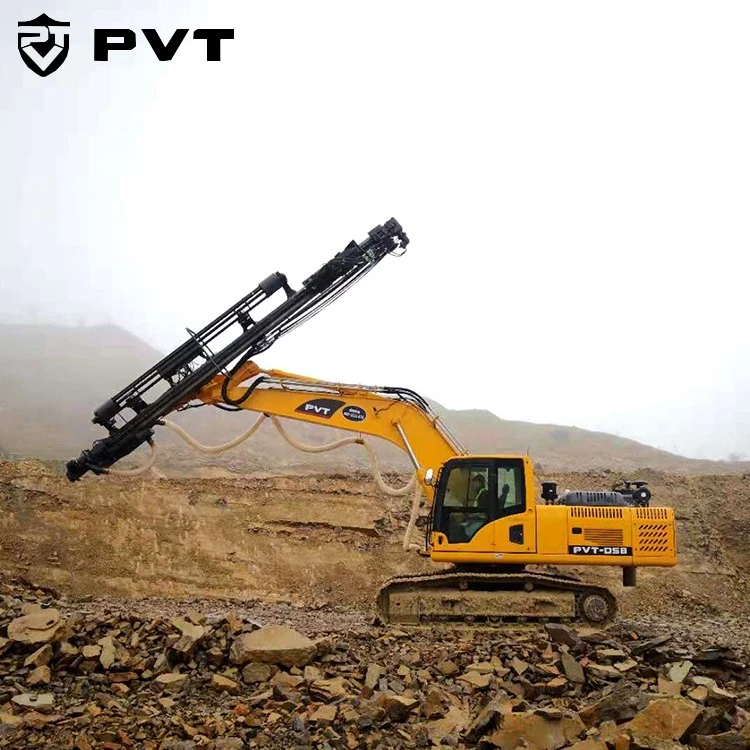
The appropriate drill bit is installed on the drill rod. The type of drill bit depends on the type of rock and the drilling application. For example, a top - hammer drill bit is commonly used for surface rock drilling. You can learn more about Top Hammer Rock Drill Rig for different drilling needs.

Drilling Parameters Setting
The drilling parameters, such as the drilling speed, feed pressure, and rotation speed, are set according to the characteristics of the rock and the requirements of the project. These parameters can be adjusted using the control panel of the drill rig.
Test Drilling
A test drilling operation is carried out in a small area of the site. During test drilling, the performance of the drill rig is monitored closely. The drilling depth, rate of penetration, and the quality of the drilled hole are observed. Any issues, such as slow drilling speed or excessive vibration, are noted and analyzed. Adjustments to the drilling parameters or the equipment may be required based on the results of the test drilling.
Operator Training
Before the surface rock drill rig is put into full - scale operation, the operators need to receive proper training.
Equipment Familiarization
The operators are trained to familiarize themselves with the drill rig's controls, functions, and safety features. They learn how to start and stop the rig, adjust the drilling parameters, and operate the various components such as the drill mast and the power unit.
Safety Training
Safety is of utmost importance when operating a surface rock drill rig. The operators are trained on safety procedures, including how to wear personal protective equipment (PPE), how to handle emergency situations, and how to prevent accidents. They are also taught about the potential hazards associated with the drilling operation, such as flying rock fragments and hydraulic fluid leaks.
Final Inspection and Handover
After all the tests and training are completed, a final inspection is carried out. This inspection ensures that the drill rig is in perfect working condition and meets all the performance requirements. If any minor issues are identified during the final inspection, they are resolved immediately.
Once the final inspection is passed, the surface rock drill rig is handed over to the customer. At this point, the customer can start using the drill rig for their rock - drilling projects.
If you are interested in purchasing a high - quality Surface Rock Drill Rigs or have any questions about the commissioning process, feel free to contact us. We are always ready to assist you with your rock - drilling needs and provide you with the best solutions for your projects.
References
- Manufacturer's manuals for surface rock drill rigs
- Industry standards for rock - drilling equipment commissioning
- Safety guidelines for rock - drilling operations


