

When it comes to the operation of surface drill rigs, safety is of paramount importance. As a reputable surface drill rigs supplier, we understand the critical role that safety measures play in ensuring the well - being of operators and the efficient functioning of the equipment. In this blog, we will discuss the essential safety measures that should be taken when using surface drill rigs.
Pre - operation Safety Checks
Before starting the surface drill rig, a series of pre - operation safety checks must be carried out. First and foremost, a visual inspection of the entire rig is necessary. Check for any signs of physical damage such as cracks in the drill mast, loose bolts, or worn - out parts. The hydraulic hoses should be examined for leaks, and the connections should be tight. This helps prevent potential hydraulic failures during operation, which could lead to serious accidents.
The power source of the drill rig, whether it is a diesel engine or an electric motor, needs to be inspected. For diesel engines, check the oil level, coolant level, and fuel level. Ensure that the air filter is clean to maintain proper engine performance. In the case of electric motors, verify the electrical connections and check for any exposed wires that could pose an electrocution hazard.
The drill bit is a crucial component. Inspect it for wear and tear. A dull or damaged drill bit not only reduces drilling efficiency but also increases the risk of the bit getting stuck or breaking during operation. Replace the drill bit if necessary.
Operator Training
Proper operator training is non - negotiable. Operators should be well - versed in the operation manual of the specific surface drill rig they are using. They need to understand the functions of all the controls, including the drilling speed, feed rate, and rotation direction. Training should cover emergency stop procedures so that operators can quickly halt the operation in case of an emergency.
In addition to technical training, operators should also receive safety training. This includes knowledge of personal protective equipment (PPE). PPE such as hard hats, safety glasses, ear protection, and steel - toed boots are essential. Hard hats protect against falling objects, safety glasses shield the eyes from flying debris, ear protection reduces the risk of hearing loss due to the loud noise generated by the drill rig, and steel - toed boots protect the feet from heavy objects.
Operator training should also include hazard recognition. Operators need to be able to identify potential hazards in the drilling area, such as unstable ground, overhead power lines, or the presence of other equipment. They should know how to respond appropriately to these hazards. For example, if there are overhead power lines, the drill rig should be kept at a safe distance to avoid electrical contact.
Drilling Area Safety
The drilling area needs to be properly prepared and secured. First, mark the boundaries of the drilling area to prevent unauthorized access. This can be done using warning tapes or barriers. Place warning signs around the area to indicate the presence of a drill rig and the associated hazards.
The ground where the drill rig is to be set up must be stable. Conduct a geotechnical survey if necessary to assess the ground conditions. If the ground is soft or uneven, take measures to stabilize it, such as using cribbing or leveling the surface. An unstable drill rig can tip over during operation, causing serious damage to the equipment and endangering the lives of the operators.
Remove any obstacles from the drilling area. These obstacles could interfere with the movement of the drill rig or cause damage to the equipment. This includes rocks, debris, and other equipment that is not related to the drilling operation.
Maintenance and Inspection During Operation
Regular maintenance and inspection during operation are crucial for the safety of the surface drill rig. Monitor the performance of the drill rig continuously. Pay attention to any abnormal noises, vibrations, or changes in the drilling parameters. These could be signs of a mechanical problem or a malfunction.
Check the lubrication levels of all moving parts regularly. Proper lubrication reduces friction and wear, which extends the lifespan of the components and ensures smooth operation. If the lubrication levels are low, refill them immediately.
Inspect the hydraulic system for leaks during operation. A hydraulic leak not only reduces the efficiency of the system but also poses a fire hazard if the hydraulic fluid comes into contact with a hot surface. If a leak is detected, stop the operation immediately and repair it.
Emergency Preparedness
An emergency response plan should be in place for the surface drill rig operation. This plan should include procedures for dealing with various emergencies, such as fires, equipment breakdowns, and injuries. Fire extinguishers should be readily available in the drilling area, and operators should know how to use them.

In case of an injury, there should be a first - aid kit on - site, and operators should be trained in basic first - aid procedures. If the injury is severe, there should be a clear communication plan to call for medical assistance quickly.
Regular emergency drills should be conducted to ensure that all operators are familiar with the emergency response procedures. These drills help improve the response time and effectiveness in case of a real emergency.
Safety in Different Types of Surface Drill Rigs
There are different types of surface drill rigs, such as Blast Hole Drilling Machine, Hydraulic Piling Drilling Rig, and Blasthole Drill Rigs. Each type has its own unique safety considerations.
Blast hole drilling machines are used for creating holes for blasting operations. When using these machines, additional safety measures are required due to the explosive nature of the subsequent blasting. The drilling area should be isolated even more strictly to prevent any unauthorized access. Operators should follow strict procedures for handling and storing explosive materials if they are involved in the blasting process.
Hydraulic piling drilling rigs are used for deep foundation work. The stability of the rig is of utmost importance as it is often operating on soft or wet ground. Special attention should be paid to the hydraulic system to ensure its proper functioning, as any hydraulic failure could lead to the collapse of the piling structure.
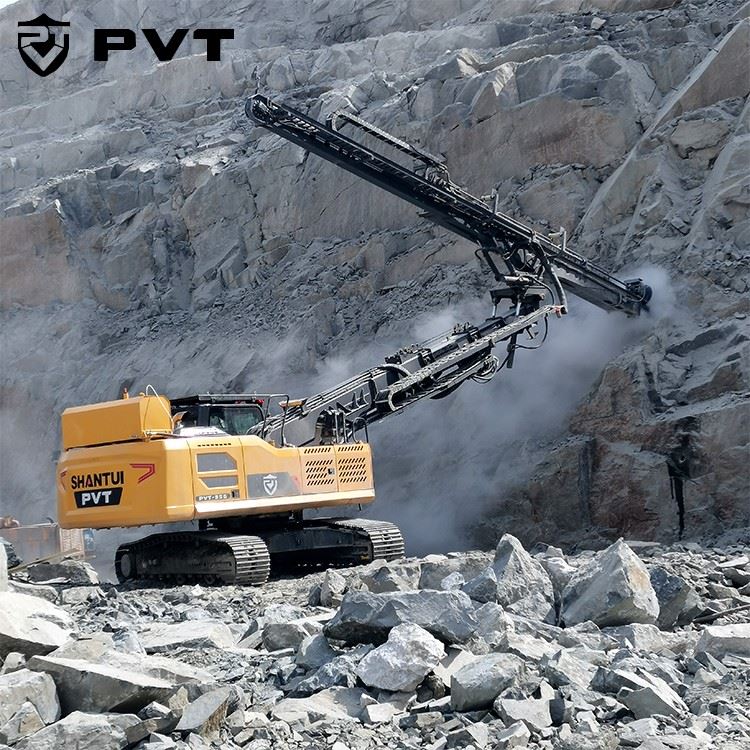
Blasthole drill rigs are designed for large - scale mining operations. In addition to the general safety measures, they need to be operated in accordance with the mining safety regulations. The dust generated during the drilling process can be a significant health hazard, so proper dust control measures such as dust collectors should be in place.
Conclusion
In conclusion, using surface drill rigs safely requires a comprehensive approach that includes pre - operation checks, operator training, drilling area safety, maintenance during operation, and emergency preparedness. As a surface drill rigs supplier, we are committed to providing high - quality equipment and also offer support in terms of safety training and guidance.
If you are in the market for surface drill rigs, whether it is a Blast Hole Drilling Machine, Hydraulic Piling Drilling Rig, or Blasthole Drill Rigs, and want to ensure the highest level of safety in your operations, we are here to assist you. Contact us to discuss your specific requirements and start a procurement negotiation that will meet your needs and safety standards.
References
- "Surface Drilling Equipment Handbook"
- Occupational Safety and Health Administration (OSHA) guidelines on drilling operations
- Manufacturer's operation manuals for surface drill rigs


