

Hey there! As a supplier of Surface Drill Rigs, I've had my fair share of experiences with these powerful machines. One of the most crucial parts of a surface drill rig is its hydraulic system. So, let's dive in and explore what the hydraulic systems of surface drill rigs are all about.
What is a Hydraulic System?
Before we get into the nitty - gritty of surface drill rig hydraulic systems, let's quickly understand what a hydraulic system is. In simple terms, a hydraulic system uses pressurized fluid to transmit power. It's like a muscle in a human body that helps the machine perform various tasks. The basic components of a hydraulic system include a pump, valves, cylinders, and hydraulic fluid.
The pump is the heart of the hydraulic system. It takes in the hydraulic fluid from a reservoir and pressurizes it. This pressurized fluid then flows through the valves, which control the direction and amount of fluid going to different parts of the system. The cylinders are the actuators that convert the hydraulic energy into mechanical energy, allowing the drill rig to move, drill, and perform other functions.
Hydraulic Systems in Surface Drill Rigs
Now, let's talk about how hydraulic systems are used in surface drill rigs. Surface drill rigs are used for a variety of applications, such as mining, construction, and quarrying. The hydraulic system plays a vital role in making these rigs efficient and reliable.
Drilling Function
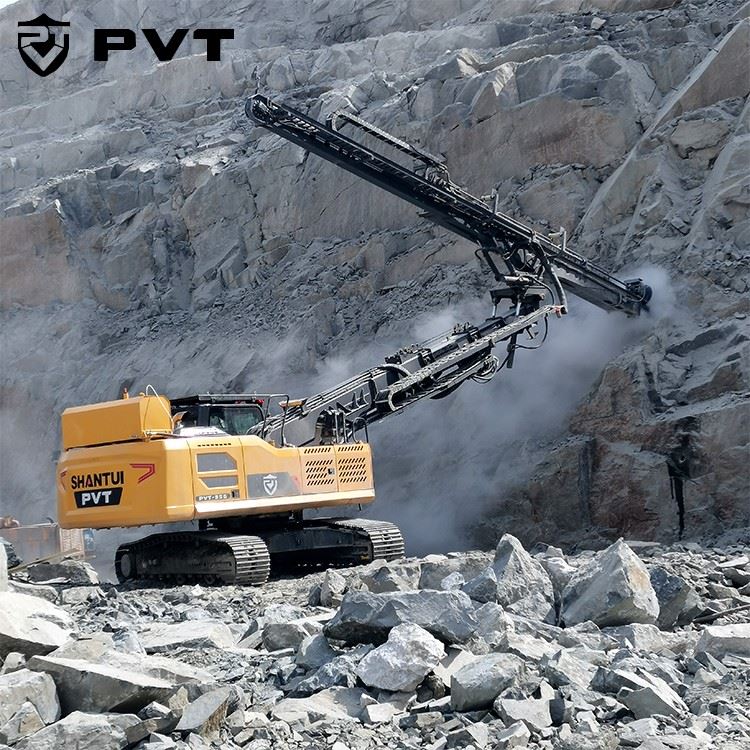
One of the primary functions of a surface drill rig is to drill holes. The hydraulic system powers the drill bit rotation and the feed mechanism. The drill bit rotation is crucial for cutting through the rock or soil. The hydraulic motor connected to the drill bit provides the necessary torque and speed. The feed mechanism, on the other hand, moves the drill bit forward into the ground. A hydraulic cylinder is used to control the feed force and speed, ensuring a smooth and efficient drilling process.
Boom Movement
The boom of a surface drill rig is another important part that is controlled by the hydraulic system. The boom is used to position the drill bit at the desired location. Hydraulic cylinders are used to raise, lower, and swing the boom. This allows the operator to easily adjust the drilling angle and reach different areas on the surface. The hydraulic system provides precise control over the boom movement, which is essential for accurate drilling.
Stabilization
Surface drill rigs need to be stable during the drilling process to ensure safety and accuracy. The hydraulic system is used to operate the outriggers or stabilizers. These are extended and retracted using hydraulic cylinders. When the outriggers are extended, they provide a solid base for the drill rig, preventing it from tipping over during drilling. The hydraulic system allows for quick and easy adjustment of the stabilizers, depending on the terrain and drilling conditions.
Dust Suppression
In many drilling operations, dust suppression is a major concern. The hydraulic system can also be used to power the dust suppression system. A hydraulic pump can be used to spray water or other dust - suppressing agents around the drill bit. This helps to reduce the amount of dust in the air, which is beneficial for the environment and the health of the operators.
Types of Hydraulic Systems in Surface Drill Rigs
There are different types of hydraulic systems used in surface drill rigs, depending on the specific requirements of the application.
Open - Loop Hydraulic Systems
Open - loop hydraulic systems are the most common type used in surface drill rigs. In an open - loop system, the hydraulic fluid is pumped from the reservoir to the actuators and then returned to the reservoir. This type of system is relatively simple and cost - effective. It is suitable for applications where the flow and pressure requirements are not extremely high.
Closed - Loop Hydraulic Systems
Closed - loop hydraulic systems are more complex but offer better control and efficiency. In a closed - loop system, the hydraulic fluid is continuously circulated between the pump and the actuators without returning to the reservoir. This allows for more precise control over the flow and pressure, which is beneficial for applications that require high - precision drilling.

Advantages of Hydraulic Systems in Surface Drill Rigs
There are several advantages of using hydraulic systems in surface drill rigs.
High Power Density
Hydraulic systems can deliver a large amount of power in a relatively small space. This means that surface drill rigs can be designed to be more compact and lightweight, while still having the necessary power to perform heavy - duty drilling operations.
Precise Control
As mentioned earlier, hydraulic systems provide precise control over the various functions of the drill rig. The operator can easily adjust the speed, force, and direction of the drill bit, boom, and other components. This results in more accurate drilling and better overall performance.
Reliability
Hydraulic systems are known for their reliability. They have fewer moving parts compared to mechanical systems, which reduces the chances of breakdowns. The hydraulic fluid also acts as a lubricant and coolant, which helps to extend the life of the components.
Easy Maintenance
Maintaining a hydraulic system is relatively easy. Regular checks of the fluid level, filter replacement, and inspection of the hoses and connections are usually sufficient to keep the system in good working condition.
Applications of Surface Drill Rigs with Hydraulic Systems
Surface drill rigs with hydraulic systems are used in a wide range of applications.
Mining
In the mining industry, surface drill rigs are used for exploration, production drilling, and pre - splitting. The hydraulic systems allow for efficient drilling in hard rock formations, which is common in mining operations. Blasting Drill Rigs are often used in mining to create holes for explosives. The hydraulic systems ensure accurate drilling and reliable operation, which is crucial for safe and efficient mining.
Construction
In construction, surface drill rigs are used for foundation drilling, slope stabilization, and rock anchor installation. The precise control provided by the hydraulic system is essential for these applications. For example, in foundation drilling, the drill rig needs to drill holes with high accuracy to ensure the stability of the structure. Hydraulic Piling Drilling Rig is a type of surface drill rig commonly used in construction projects.
Quarrying
Quarrying involves extracting rock and stone from the earth's surface. Surface drill rigs are used to drill holes for blasting and to cut the rock into manageable pieces. The hydraulic system in these rigs allows for efficient and precise drilling, which helps to increase the productivity of the quarrying operation. Blast Hole Drilling Machine is a specialized surface drill rig used in quarrying.
Conclusion
In conclusion, the hydraulic system is an essential part of surface drill rigs. It provides the power, control, and reliability needed for various drilling applications. Whether it's drilling holes, moving the boom, stabilizing the rig, or suppressing dust, the hydraulic system plays a crucial role in the performance of the surface drill rig.
If you're in the market for a surface drill rig, you'll want to pay close attention to the hydraulic system. A well - designed and maintained hydraulic system can make a big difference in the efficiency and longevity of your drill rig.
We, as a Surface Drill Rigs supplier, are committed to providing high - quality drill rigs with advanced hydraulic systems. If you have any questions or are interested in purchasing a surface drill rig, feel free to reach out to us. We'd be more than happy to discuss your requirements and help you find the perfect drill rig for your needs.
References
- Neubert, R. (2018). Hydraulic Systems in Mobile Machinery. Springer.
- Obert, L., & Duvall, W. I. (1967). Rock Mechanics and the Design of Structures in Rock. Wiley.
- Timoshenko, S. P., & Goodier, J. N. (1970). Theory of Elasticity. McGraw - Hill.


